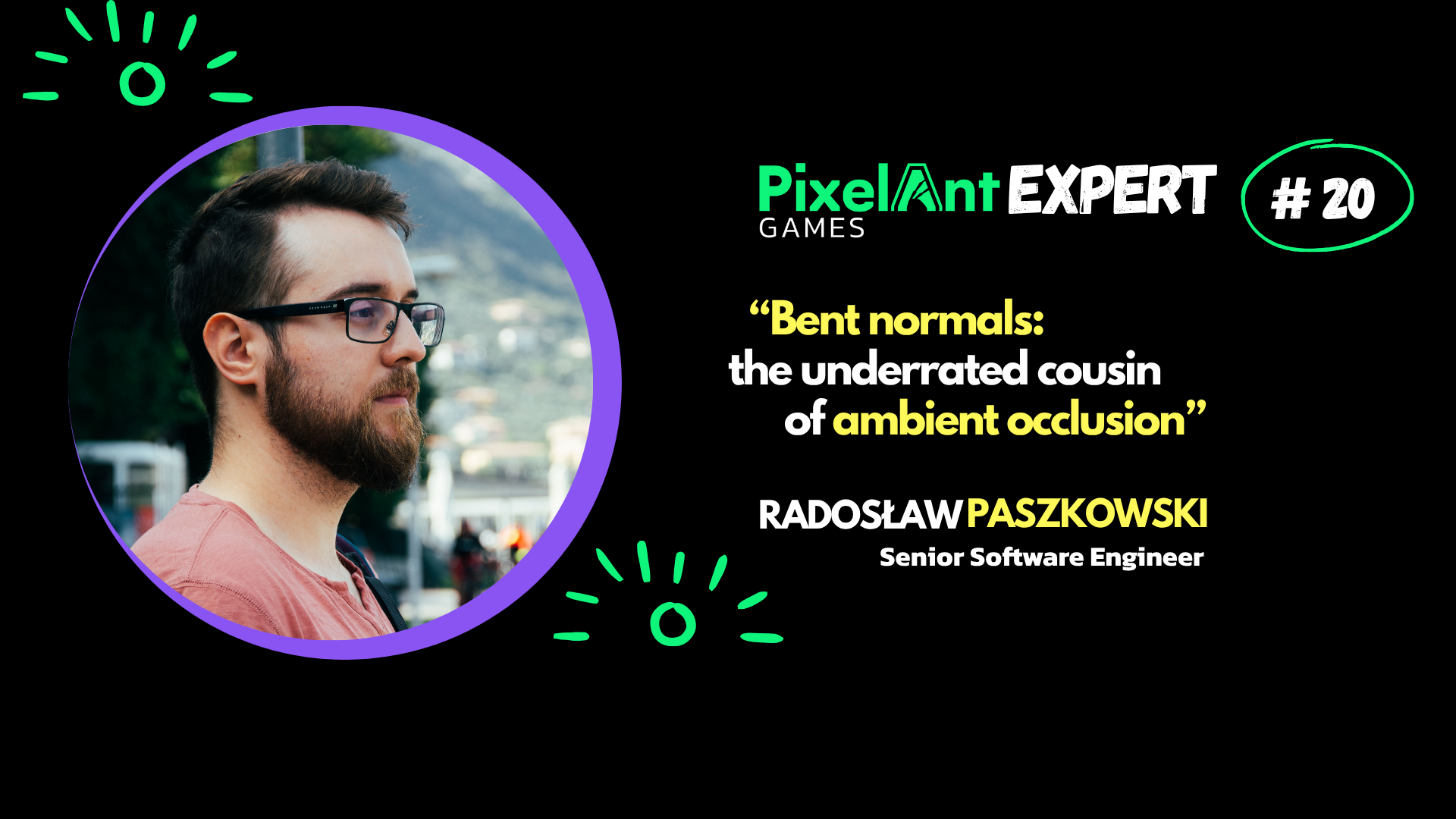
Bent normals: the underrated cousin of ambient occlusion
Bent normals are often overlooked, yet they deliver noticeably better specular lighting at a relatively low cost – no...
read more >>

Once upon a project kick-off, someone said: “Let’s aim for an ambitious timeline, wow the stakeholders, and sort out the details later.” And just like that, the optimism train left the station – without brakes.
A few weeks in, expectations are sky-high, timelines are slipping, and you’re stuck juggling reality, reassurance, and risk. Welcome to the wild world of expectation management – where overpromising leads to disappointment and underpromising kills motivation.
So, how do you navigate the tightrope between bold ambition and grounded realism?
1. Set goals that stretch without snapping
Everyone wants to be inspired by a big vision. But when that “big vision” turns into vague ambition, frustration is just around the corner. Instead, break your vision down into realistic, measurable goals that challenge your team without overwhelming them.
💡 Pro tip: Co-create goals with your team and stakeholders. Buy-in goes way up when people feel involved from the start.
2. Communicate progress early, often, and honestly
Silence breeds assumptions. Assumptions breed panic. Be transparent about where things stand, even when progress isn’t linear. Share what’s working, what’s delayed, and what’s being done to address it.
💡 Pro tip: People can handle the truth. What they can’t handle is being left in the dark.
3. Surface risks before they become landmines
No project is risk-free. Pretending otherwise doesn’t make risks disappear; it only delays the fallout. Flag potential issues early, and don’t be afraid to say: “Here’s what could go wrong, and here’s our plan if it does.” This isn’t pessimism – it’s realism with a contingency plan.
4. Be the bridge, not the bottleneck
Stakeholders want certainty. Teams want clarity. You’re in the middle, translating vision into action. The real magic lies in aligning expectations. Set boundaries. Ask tough questions. Push back when necessary. Say “yes” to what’s possible, and honestly explain the trade-offs when it’s not.
Because managing expectations isn’t about saying “yes” to everyone. It’s about saying the right things at the right times – and backing them up with action.
Postscript:
✅ Set realistic goals
✅ Communicate progress – especially when it’s messy
✅ Address risks before they turn into roadblocks
You can’t please everyone all the time. But you can build trust by being consistent, clear, and honest.
Author

Monika Laszczyńska
Programme Manager
Monika is an expert with 20 years of commercial experience in management and consulting. Her work has always centered on people; she believes that advancing technology should enhance, not replace, human relationships. Passionate about excellence, she strongly values constant learning and versatility. Monika embraces diverse challenges on her professional path, believing that doing so many different things you no longer know what to call yourself is a good thing - and she likes to take the time to do things right.